Back to Concerts




ConcertUpcoming
BALLADE: Seven Stories
BALLADE: 일곱 개의 이야기
Oct 31, 2026
Studio Leum스튜디오 리움 (스튜디오 리움)
About
[PROGRAM]
PART 1
01 Kim Hyun-seo
F. Chopin, Nocturne in B major, Op.62 No.1
R. Schumann / F. Liszt, Widmung
This is the first of Chopin's Nocturnes published in his final years. As the theme returns, it is enveloped in long trills, revealing the deep lyricism of his later years. The following "Widmung" is Schumann's song from the collection "Myrtles" dedicated to Clara on the eve of their marriage, which Liszt transcribed for solo piano. The overflowing confession of love blooms into brilliant pianism.
02 Kang Mi-ki
C. Debussy, Suite bergamasque, L.75
I. Prélude
A. Scriabin, Etude in D-sharp minor, Op.8 No.12
"Suite bergamasque" is a work that frames the Baroque suite form with Debussy's distinctive color palette. The opening "Prélude" opens the door with bright, confident harmonies and an improvisational flow. Scriabin's following Etude Op.8 No.12 pours forth the fiery romanticism of young Scriabin through forceful octave leaps and impassioned harmonies.
03 Ahn Jeong-in
R. Schumann, Davidsbündlertänze, Op.6
Nos. 1, 2, 3, 5, 10, 11, 13
The "Davidsbund" is a gathering of artists that Schumann imagined to counter old art. Two sides of Schumann's inner self—the passionate Florestan and the dreamy Eusebius—alternate like dancers throughout, with the opening movement beginning with a melody by Clara Wieck.
— Intermission
PART 2
04 Heo Jae-sung
C. W. Gluck, Melodie dell'Orfeo
arr. for piano by Giovanni Sgambati
F. Liszt, Der Erlkönig, S.558/4
after Franz Schubert
The melody of "Dance of the Blessed Spirits" from Gluck's opera "Orfeo ed Euridice" has been transcribed for solo piano by Giovanni Sgambati, a student of Liszt. Following a quiet, sorrowful song, in Liszt's arrangement of Schubert's "Der Erlkönig," the voices of four characters—the narrator, the father, the child, and the Erlking—unfold above galloping octaves like horse hooves.
05 Park Su-bin
F. Chopin, Ballade No.4 in F minor, Op.52
The last and most mature of the four Ballades. The theme, which begins as if quietly recited, deepens through variations, and the tension built by intricate counterpoint and narrative bursts forth in a breathtaking coda.
06 Na Gyou-jin
N. Kapustin, Variations, Op.41
A 1984 work by Nikolai Kapustin that blends classical form with the language of jazz. Taking the bassoon melody from the opening of Stravinsky's "The Rite of Spring" as its theme, it freely varies it with swing rhythm and jazz harmonies. Though every note is written on the score, it sounds as vibrant as an improvisation.
07 Jang Chae-eun
W. A. Mozart / A. Volodos, Turkish March
Pianist Arcadi Volodos has rewritten the "Turkish March," the final movement of Mozart's Piano Sonata No.11 in A major, K.331, as a concert arrangement. Layered harmonies and dazzling technique add a delightful twist to the familiar melody.
More concerts in Seoul
View allConcertMusicalOngoing
Prison [H Theater]
May 1, 2021
HC Theater (Extreme Theater Hall 2), Seoul
ConcertMusicalOngoing
Nanta [Myeongdong]
Dec 2, 2021
Myeongdong Nanta Theater, Seoul
ConcertMusicalOngoing
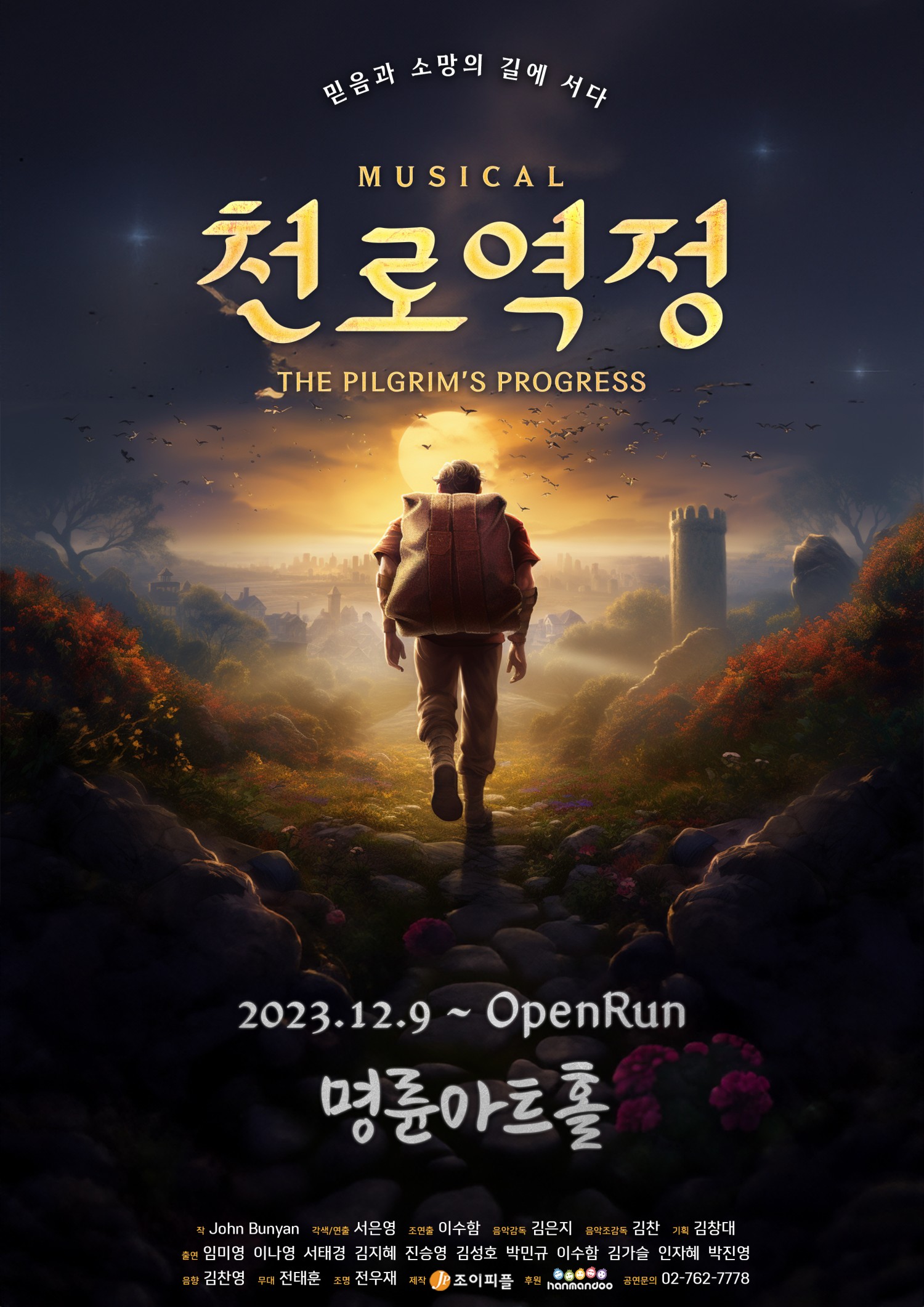
The Pilgrim's Progress
Dec 9, 2023 — Oct 31, 2026
Myeongnyun Art Hall, Seoul
ConcertMusicalOngoing
Inside Out
Jan 3, 2024 — Oct 31, 2026
JTN Art Hall (formerly Daehangno Art Madang) (Hall 2), Seoul
ConcertMusicalOngoing
Someday [Daehakro]
Mar 16, 2024 — Nov 30, 2026
Daehakno Muha Arts Center, Seoul
ConcertMusicalOngoing
Pinocchio, Let's Go! [Daehangno]
Mar 23, 2024 — Nov 29, 2026
Seoyeon Art Hall (formerly In'a Small Theater), Seoul