Back to Concerts

![Pinocchio, Let's Go! [Daehangno]](https://www.kopis.or.kr/upload/pfmPoster/PF_PF235879_260609_134815.gif)
![Painters [Kyunghyang Art Hill]](https://www.kopis.or.kr/upload/pfmPoster/PF_PF237479_260518_151643.gif)
ConcertEnded
Kyunghee Chamber Orchestra Regular Concert
경희 챔버오케스트라 정기연주회
Jun 18, 2026
Dream Forest Arts Center (Performance Hall)꿈의숲아트센터 (퍼포먼스홀)
About
[PROGRAM]
F. Mendelssohn - String Symphony No.1 in C Major
Felix Mendelssohn was a composer who demonstrated remarkable musical talent from childhood, actively composing symphonies and chamber music works from around the age of twelve. String Symphony No.1 in C Major is the first work in a series of string symphonies composed during his youth. While based on classical style, it reveals the elegance and vitality characteristic of Mendelssohn's mature works.
Bright and lively energy flows throughout the piece, and despite the influence of Mozart and Haydn, the young composer's free imagination and delicate sensibility shine through. In particular, the transparent timbre unique to stringed instruments, rapid passages, and vibrant rhythms create harmony and bring the work to life. Despite being an early work by a young composer, it contains a highly refined structure and abundant musical ideas, earning it recognition as a piece that demonstrates Mendelssohn's genius from an early stage.
A. Vivaldi - Concerto for Two Cellos in G minor, RV 531
Antonio Vivaldi was a composer representing the Baroque era, and through numerous concertos, he captured the brilliant techniques and dramatic contrasts of instruments in his music. Concerto for Two Cellos in G minor, RV 531 is a unique work featuring two cellos as solo instruments, and is a representative repertoire that showcases the appeal of the Baroque concerto well.
This work is characterized by a structure where the two cellos converse and cooperate with each other as if competing. At times they exchange intense melodic lines, and at other times they create beautiful harmonies and deep resonance. Particularly in the slow movement, the warm and lyrical tone characteristic of the cello stands out, while in the fast movement, nimble passages and energetic rhythms leave a powerful impression on the audience. It is a work that maximizes the charm of two cellos within the splendor and sophistication unique to the Baroque era.
P. Sarasate - Navarra for Two Violins Op.33
Pablo de Sarasate was an outstanding violinist and composer, known for his works that embody the passion and brilliant technique characteristic of Spain. Navarra is a work for two violins that captures the lively, folk atmosphere of the Navarra region in northern Spain in its music.
From beginning to end, vibrant rhythm and brilliant violin technique continue, and through the melodies exchanged between the two performers, joyful energy and passion are created. Dance-like rhythm and the distinctive Spanish color are strongly expressed, and throughout the rapid passages and dazzling technique, a cheerful and bright atmosphere is maintained. The close rapport and splendid ensemble created by the two violins are its greatest appeal, bestowing intense joy on both performers and audiences alike.
A. Dvořák - Serenade for Strings in E Major, Op.22
Antonín Dvořák's Serenade for Strings in E Major, Op.22 is one of the representative chamber string works beloved for its warm and lyrical melodies. Dvořák naturally incorporated the sentiment of Czech folk music into his works, and this piece likewise stands out for its rich melodic beauty and human warmth.
This serenade, consisting of five movements, has an overall peaceful and bright atmosphere, with each movement showcasing different appeals. Elegant waltz-like melodies, soft and lyrical flow, and lively, folk-inspired rhythms create harmony and enrich the entire work. In particular, it effectively utilizes the deep and soft resonance of stringed instruments to convey warm emotion, and offers an opportunity to experience the sincere and beautiful musical world unique to Dvořák.
More concerts in Seoul
View allConcertMusicalOngoing
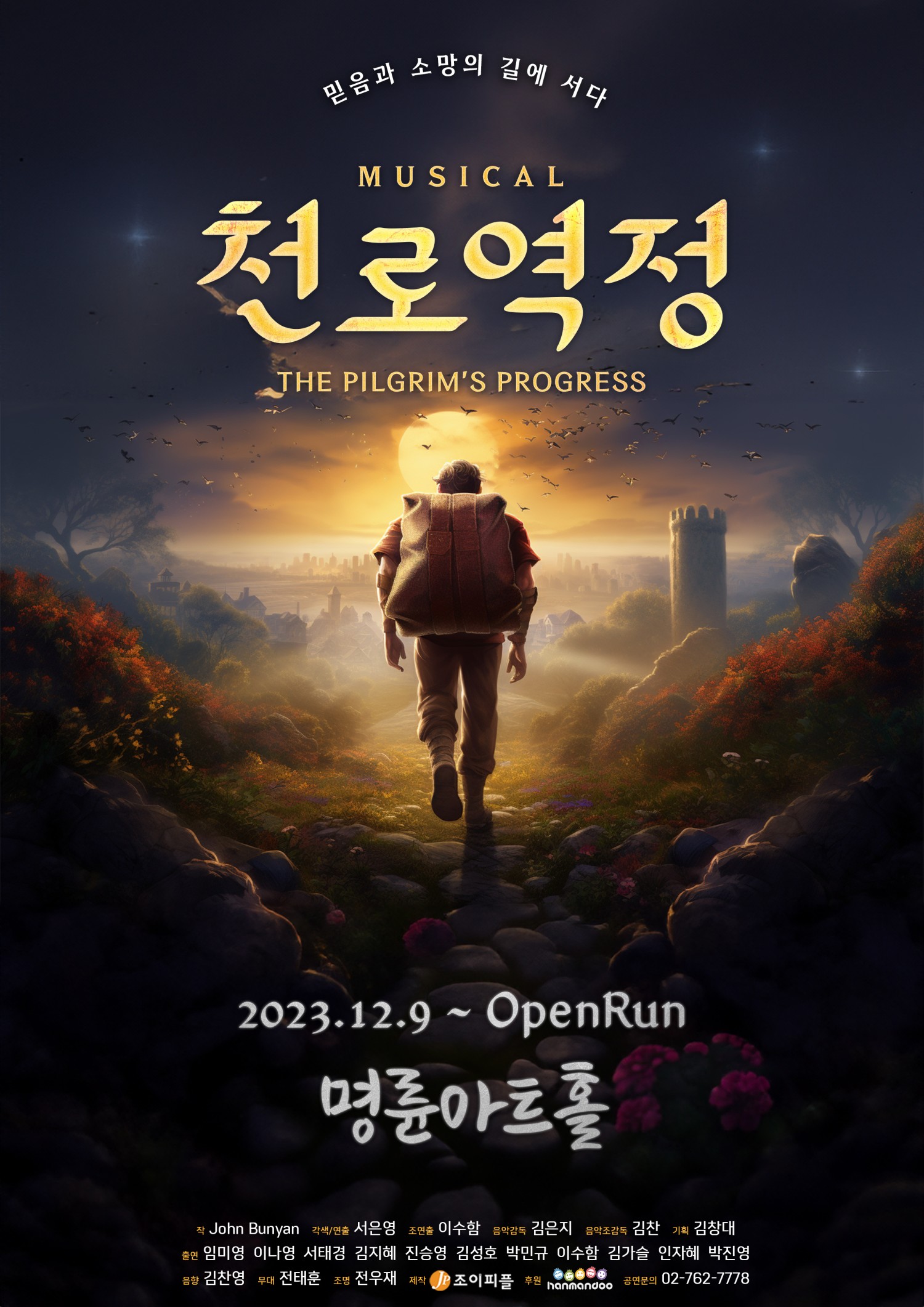
The Pilgrim's Progress
Dec 9, 2023 — Oct 31, 2026
Myeongnyun Art Hall, Seoul
ConcertMusicalOngoing
Inside Out
Jan 3, 2024 — Aug 30, 2026
JTN Art Hall (formerly Daehangno Art Madang) (Hall 2), Seoul
ConcertMusicalOngoing
Pinocchio, Let's Go! [Daehangno]
Mar 23, 2024 — Aug 30, 2026
Seoyeon Art Hall (formerly In'a Small Theater), Seoul
ConcertMusicalOngoing
Painters [Kyunghyang Art Hill]
Mar 25, 2024 — Oct 31, 2026
Gyeonghyang Art Hill (Hall 1), Seoul
Location
Dream Forest Arts Center (Performance Hall)꿈의숲아트센터 (퍼포먼스홀)
See all events at Dream Forest Arts Center (Performance Hall) →
서울특별시 강북구 월계로 173 (번동)
![Nanta [Hongdae]](https://www.kopis.or.kr/upload/pfmPoster/PF_PF236349_251016_133538.gif)
![Three Little Pigs: Wolf Forest Pig Expedition [Daehakro]](https://www.kopis.or.kr/upload/pfmPoster/PF_PF244959_260406_141210.gif)